
Last updated:
All PostsIs It Rude to Invite or Decline a Wedding on WhatsApp? Etiquette, Answered
Short answer: no, and here's why
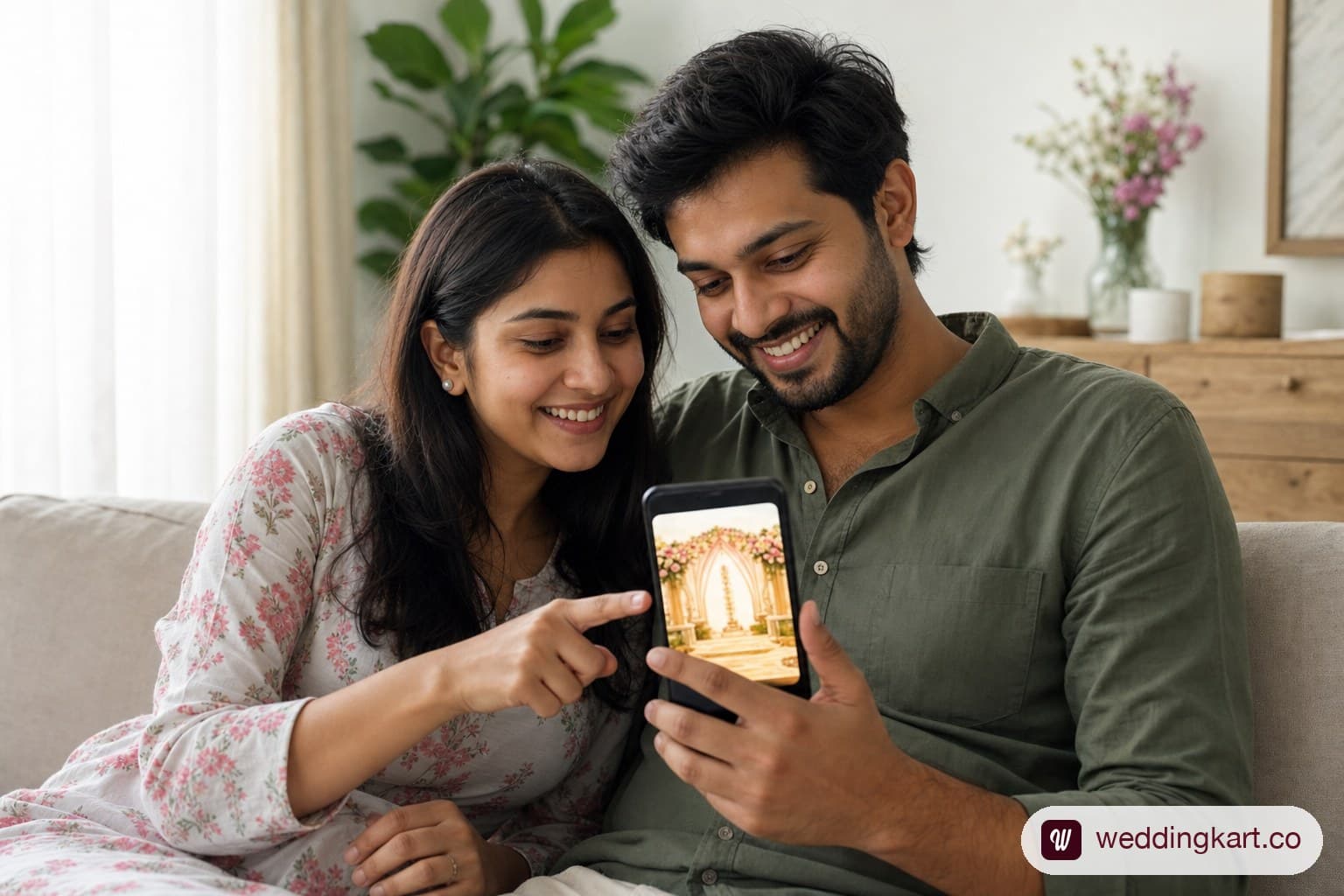
No, it's not rude. WhatsApp is now the default invitation channel for most Indian weddings, and both inviting and declining over WhatsApp are considered completely normal and acceptable in 2026. What used to require a phone call or a printed card can now be handled with the same warmth in a text message — the medium has changed, but the etiquette expectations around promptness, warmth, and a clear answer haven't.
That said, "not rude" doesn't mean "no rules." A few nuances separate a WhatsApp invite or decline that lands well from one that comes across as careless — and that's what the rest of this guide covers.
When a WhatsApp invite is appropriate vs when a call is better
For the vast majority of your guest list — friends, cousins, colleagues, extended family — a well-written WhatsApp invite is not just acceptable, it's expected. It's fast, it's trackable, and it lets you include details (venue map, event schedule, RSVP link) that a phone call can't.
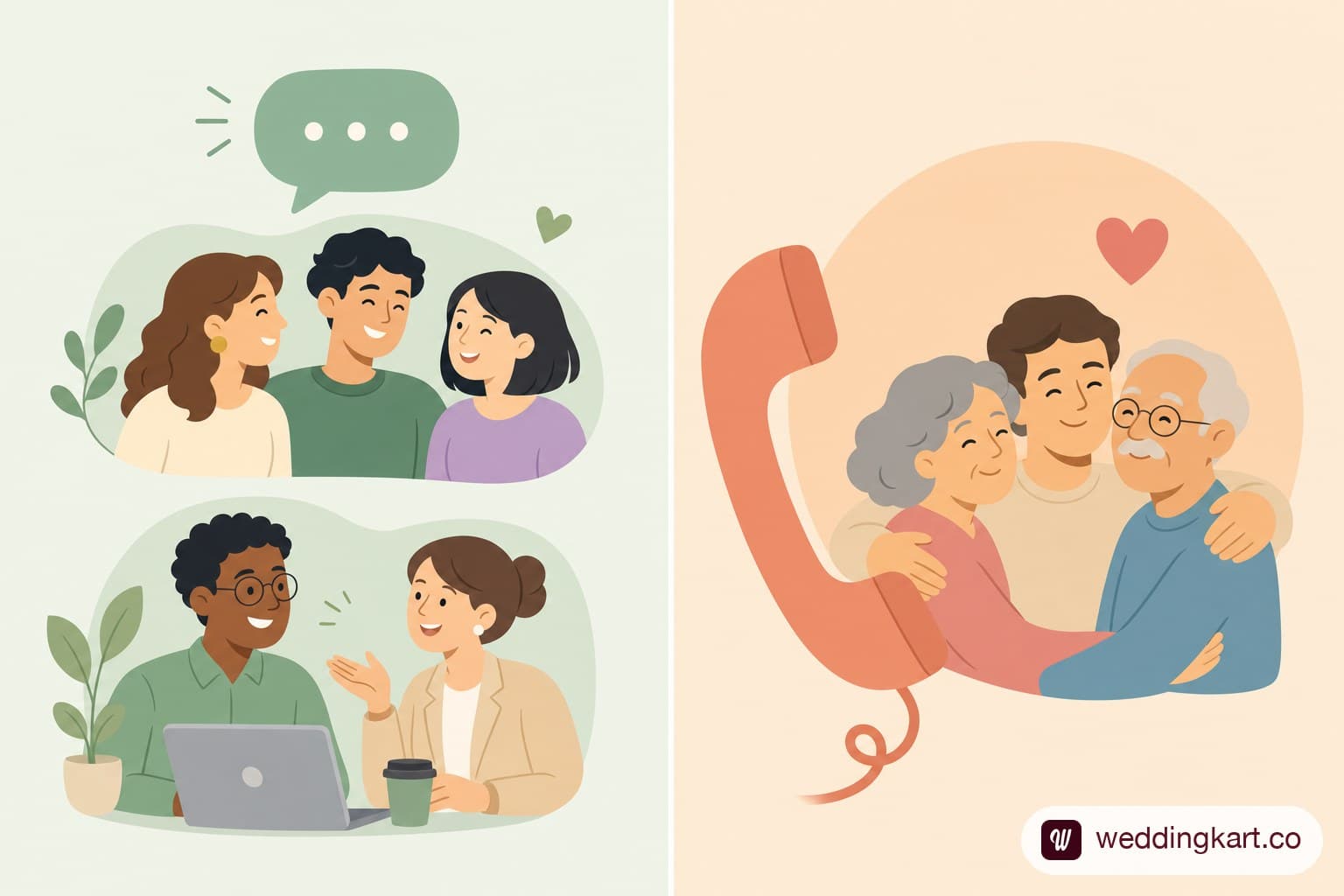
The exception is your innermost circle: parents, grandparents, and very close family, especially anyone who isn't comfortable with WhatsApp or would genuinely feel hurt getting news this big in a text. For those people, a call first — even a short one — followed by the WhatsApp invite for the details, is the safer read. The general rule: the closer the relationship, the more a text alone can feel like an afterthought, regardless of how nice the card looks.
How to decline without offending anyone
Declining a wedding invite over WhatsApp is not rude either, as long as you do two things: reply promptly, and keep the message warm and brief. You don't owe a detailed explanation — a short, genuine message is enough.
A few templates that work well:
- "I'm so touched you thought of me, but I won't be able to make it. Wishing you both a beautiful wedding and endless happiness."
- "I really wish I could be there, but I have a conflict I can't move. Sending so much love for your big day."
- "Thank you for including me — I'm gutted I can't make it this time, but I'm so happy for you both."
Notice what these have in common: they lead with gratitude, give a brief (not elaborate) reason, and close with genuine warmth. That structure — thanks, brief reason, warm close — is really all a decline needs.
What NOT to do: silence, seen-and-ignored, last-minute no-shows
The actual etiquette failure isn't declining — it's what happens around a decline (or an acceptance) that causes hurt feelings:
- Going silent. Leaving a host's message on "seen" for two weeks is far ruder than a prompt no. Hosts are planning catering and seating off your response; silence forces them to guess or chase you down.
- Confirming and then no-showing. A confirmed "yes" that turns into a no-show, with no heads-up, is the single most common wedding etiquette complaint hosts report — worse than any decline sent early.
- Vague non-answers. "Maybe, we'll see" with no follow-up leaves hosts stuck. If you're genuinely unsure, say so with a timeline: "let me confirm by Friday" is a real answer; "maybe" alone isn't.
For a fuller look at getting clear answers out of a guest list, see our Indian wedding guest list & RSVP playbook.
Etiquette for hosts: don't rely on a group blast alone
If you're the one sending invites, the etiquette cuts both ways. A single WhatsApp group blast to 300 people, with no personal touch and no way to track who has actually responded, can read as impersonal — even if that's not the intent. A short personalised note alongside the group invite (even just "so excited to have you there!" tagged with the guest's name) makes a big difference in how the invite lands, and it's also simply more practical: a personalised, trackable send tells you who's seen it and who hasn't, instead of a group thread that gets buried under fifty replies within a day.
This is exactly the gap WeddingKart is built to close on the hosting side. Rather than relying on a single group blast and hoping people respond, WeddingKart tracks every guest's response automatically via personalised guest details and RSVP tracking — invite sent, delivered, read, and RSVP'd — so hosts are never left wondering who saw the invite and never replied. Try It Free
The bottom line
Sending and declining wedding invitations on WhatsApp is completely normal in 2026 — the etiquette that matters isn't about the platform, it's about promptness, warmth, and giving a clear answer instead of silence. Save the phone call for your innermost circle, keep declines short and genuine, and if you're hosting, add a personal touch on top of the group blast so no one feels like just another number on a broadcast list.
💌 WeddingKart tracks every guest's response automatically — invite sent, delivered, read, and RSVP'd — so hosts are never left wondering who saw the invite and never replied.
Try It Free →By Mayank JaiswalLast updated
Was this article helpful?
Share